Selecting the Perfect Swimming Pool: Options and Design Inspiration for Any Backyard
Selecting the most suitable swimming pool requires thorough evaluation of multiple types and designs. Each selection, from in-ground to above-ground and inflatable pools, comes with specific pros and cons. Knowing these contrasts allows homeowners to reach well-informed decisions that match their lifestyle and preferences. Because design and performance are equally important, examining contemporary design trends and landscaping concepts is essential. What factors should one prioritize to secure a successful installation?
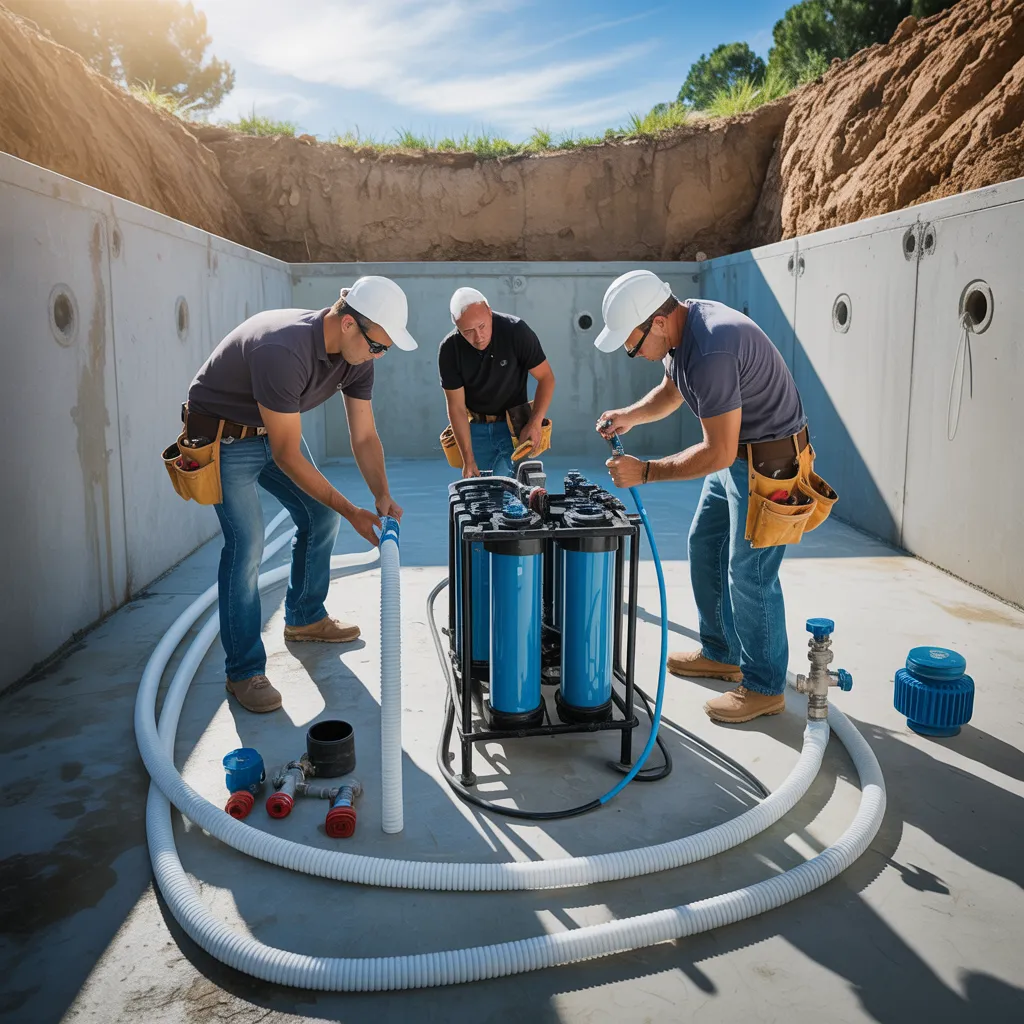
Which Type of Swimming Pool Is Right for You?
Deciding on the most suitable swimming pool type can be a complex decision for most homeowners. Several factors, including finances, yard space, and purpose, play significant roles in this selection. Homeowners may consider options such as in-ground pools, aboveground pools, and even inflatable models.
In-ground pools, commonly regarded as more permanent, support varied design options and personalization, accommodating visual preferences and seamless landscape blending. On the other hand, above-ground pools provide affordability and easier installation, rendering them ideal for individuals with financial constraints or non-permanent requirements.
Moreover, inflatable pools offer convenience and flexibility, ideal for compact areas or part-time use. Each type has specific pros and cons, so future pool owners must thoroughly consider their unique needs. In the end, the right type of swimming pool should align with maintenance capacity, long-term goals, and lifestyle, providing a fulfilling investment that enriches outdoor experiences.
In-Ground vs. Above-Ground Pools: A Complete Comparison
When considering a pool, homeowners commonly face the dilemma between above-ground and in-ground options. Underground pools commonly deliver a more lasting and visually appealing option, effortlessly merging with the backyard setting. They may be tailored in size, shape, and materials, allowing for a tailored fit to virtually any backyard layout. However, installation can be costly and time-consuming.
On the other hand, above-ground pools provide a cost-effective entry point for families seeking recreational water features. Installation is simpler and can often be set up in just a few days. Even if they fall short of the aesthetic charm of in-ground pools, modern designs have improved their aesthetics remarkably. Upkeep requirements differ between both options, with in-ground pools usually needing greater attention. In the end, the final selection comes down to financial considerations, permanence, and individual taste, requiring homeowners to carefully evaluate the advantages and disadvantages of each choice.
Leading In-Ground Swimming Pool Options
When picking out an inground pool, multiple options present themselves with notable advantages. Concrete pools provide long-lasting durability and extensive customization options, while fiberglass pools provide a quick installation and low maintenance. Vinyl liner pools present an affordable alternative with a variety of design choices, each designed to meet diverse needs and price ranges.
Benefits of Concrete Pools
Concrete pools are recognized as a top selection for below-ground pool installations due to their durability and design flexibility. Compared to other pool materials, concrete is capable of being shaped into virtually any shape or size, allowing homeowners to create a customized oasis that complements their backyard. This flexibility ensures that features such as stairs, built-in seating, and aquatic features can be smoothly included. In addition, concrete pools are exceptionally resilient, built to handle harsh weather conditions and heavy usage. Given the right upkeep, they offer decades of service, making them a worthwhile long-term commitment. Furthermore, concrete's inherent texture allows for a variety of finishes, including tiles and plaster, enhancing aesthetic appeal. Overall, concrete pools offer a blend of functionality and style, making them an outstanding option.
Fiberglass Pool Benefits
Fiberglass pools provide an excellent choice for property owners considering an in-ground swimming installation, especially due to their minimal upkeep needs and rapid installation timeline. Fabricated from a sturdy material, these pools prevent algae buildup, substantially minimizing the requirement for chemical applications. Their polished surface is not only gentle to the touch but also reduces the chance of cuts and scrapes. Furthermore, fiberglass pools come in a variety of shapes and sizes, allowing for customization to fit diverse backyard aesthetics. The flexibility in design enables homeowners to create a unique outdoor space. Moreover, their energy-saving properties can result in reduced heating expenses, making fiberglass pools a practical and economical choice for those looking to enhance their property.
Vinyl Liner Options
Vinyl liner pools are a popular choice for homeowners seeking a customizable and cost-effective in-ground pool solution. These pools utilize a durable vinyl liner, which enables diverse shapes and configurations, suiting a wide range of backyard styles. Homeowners can select from a wide variety of patterns and color combinations, enhancing the aesthetic appeal of their outdoor living areas.
Furthermore, vinyl liner pools are generally less expensive to install relative to fiberglass or concrete alternatives. Maintenance is also simplified, as the sleek finish limits algae buildup. However, it is essential to acknowledge that liners typically need replacement every seven to fifteen years, influenced by maintenance and usage habits. Overall, vinyl liner pools present an compelling combination of budget-friendliness, flexibility, and simplified care for contemporary homeowners.
Innovative Swimming Pool Designs for Your Outdoor Space
What distinguishes a modern pool design in a backyard setting? The sleek lines and minimalist aesthetics create an inviting atmosphere that seamlessly blends with contemporary architecture. These pools frequently incorporate geometric forms, such as rectangles or squares, improving definition and visual appeal in outdoor areas. Elements such as glass, stainless steel, and natural stone are commonly employed, delivering a refined yet subtle appearance.
Infinity edges stand as a signature element of modern design, offering a striking visual relationship between the pool and its surroundings, commonly producing the effect of water flowing endlessly to the horizon. Furthermore, integrating elements such as LED lighting and built-in seating boosts functionality and elevates the overall atmosphere.
Water elements, such as fountains or cascading waterfalls, can be incorporated to add a sense of elegance. Ultimately, modern swimming pool designs prioritize not only beauty but also the experience, transforming backyards into luxurious retreats that invite relaxation and enjoyment.
Landscaping Tips to Transform Your Pool Area
Upgrading the pool area necessitates well-planned landscaping that creates a cohesive environment. Incorporating lush greenery, attractive deck elements, and functional shade options can reshape the space into a relaxing haven. These components not only improve the overall look but also boost convenience and relaxation.
Lush Greenery All Around
When considering the aesthetic appeal of a swimming pool, vibrant green landscapes can greatly enhance the entire atmosphere. Integrating colorful landscape components, such as decorative grasses, blooming shrubs, and indigenous plants, establishes a tranquil atmosphere that complements the water's blue hues. Carefully situated trees not only deliver natural cover but also introduce dimensional appeal, while ground cover plants can gentle harsh lines around the pool area. Moreover, the addition of tropical plants, like palms and ferns, can evoke a resort-like atmosphere. To maximize the visual impact, layering plants at varying heights establishes visual complexity, while colorful blooms offer year-round appeal. Ultimately, a well-designed landscape transforms the pool area into a tranquil oasis, inviting relaxation and enjoyment.
Ornamental Pool Decking
Decorative pool decking acts as a vital component in establishing an appealing and versatile outdoor environment. It elevates the overall appearance while delivering a reliable surface for pool area activities. A wide range of materials, including natural stone, concrete, and wood, provide distinctive textures and hues, allowing homeowners to choose styles that complement their surroundings. Incorporating patterns, mosaics, or decorative tiles can further elevate the visual appeal. Additionally, integrating landscaping features, like planters or seating areas, can seamlessly blend the decking with the yard. Proper drainage and slip-resistant finishes are crucial considerations for safety. By thoughtfully selecting and designing pool decking, homeowners can transform their pool area into a luxurious retreat that reflects personal style and encourages relaxation.
Useful Shade Choices
A carefully crafted pool area goes beyond view details looks to prioritize comfort and functionality. To maximize the potential of the space, incorporating functional shade options is important. Pergolas provide an elegant option, offering dappled shade while letting natural light pass through. Shade sails are a flexible alternative, simple to reposition for optimal sun protection. For a lasting installation, gazebos can form a welcoming hideaway, complete with seating and decor. Additionally, strategically placed trees or tall shrubs can provide natural shade, boosting the environmental charm of the surroundings. These options both safeguard swimmers from the sun and establish welcoming areas for rest and leisure, keeping the poolside atmosphere enjoyable from morning to evening.
Planning Your Budget for the Perfect Swimming Pool
Although the allure of a dream swimming pool is undeniable, thoughtful financial planning is essential to make that dream a reality. Property owners ought to begin by establishing their total budget, taking into account both setup and recurring upkeep expenses. Factors such as pool type—inground or above ground—greatly influence expenses. Inground pools, despite their higher price tag, tend to substantially increase property value.
Furthermore, it is necessary to consider added elements like heating, lighting, and decking, which can elevate the pool experience but also significantly raise costs. The landscaping surrounding the pool should also be accounted for in your budget, as it plays a role in the complete aesthetic appeal.
Lastly, property owners should budget finances for unanticipated costs, which can come up during installation. Working with qualified contractors for quotes and reviewing funding solutions can bring transparency and assist in organizing the cost management, ensuring that the ideal pool becomes a worthwhile investment without financial strain.
Questions Our Clients Often Ask
How Do I Maintain Pool Water Quality Year-Round?
In order to preserve pool water quality all year long, routine testing and adjustment of pH and chlorine levels is necessary. Consistent cleaning, proper filtration, and ongoing water temperature checks are also key to maintaining a healthy swimming environment.
What Pool Safety Features Should I Be Considering?
Important safety elements to consider for a pool encompass slip-resistant surfaces, alarms, pool covers, self-closing gates, and fencing. Furthermore, adding pool lights and maintaining adequate supervision can significantly improve safety for everyone who uses the pool.
Is It Possible to Install a Pool on My Own?
Indeed, a pool can be installed by one person, given that the individual holds the necessary skills, tools, and knowledge. Nevertheless, professional support is generally suggested to confirm compliance with local regulations, safety, and quality construction.
What Permits Are Required for Pool Installation?
The permits required for pool installation commonly encompass plumbing, building, and electrical permits. Regional requirements may differ significantly, so it is necessary to check with local governing bodies to ensure adherence to safety standards and zoning laws.
What Are the Best Ways to Heat My Pool Efficiently?
To heat a pool efficiently, you can use heat pumps, gas heaters, or solar heaters. Moreover, placing a solar cover on the pool can assist in retaining heat, minimizing energy loss during cooler nights and boosting the pool's overall heating efficiency.